Let’s be for real: Dance is expensive.
There are tuition payments, costumes, competition fees, choreography, conventions, private lessons, travel, hotels and Nationals. And just when you think you’ve finally figured out how much you’re going to spend, another expense seems to appear out of nowhere. (Seriously, where does all of this money go?!)
For many dance families, fundraising can make a real difference. And for a bunch of kids, they couldn’t even participate at all if it wasn’t for revenue generated through fundraising! Depending on how your studio or booster club handles it, successful fundraising can help offset competition fees, travel expenses, costumes or other costs associated with being a competitive dancer.
But there is another side to fundraising that I think we don’t talk about enough: fundraising fatigue.
Most of us already have enough going on. We’re working, taking our kids to dance, keeping track of school activities, feeding everyone, doing laundry, trying to remember what day it is…and then we’re supposed to convince our friends and family to buy something else?
And let’s not forget that our friends and family members may also be supporting other kids. One child is selling wrapping paper, another is peddling cookie dough, somebody else is selling candy for soccer, and suddenly Aunt Tricia is getting asked to buy something from five different children.
So when I recently asked the dance moms who follow The Dancing Dance Mom to tell me about the fundraisers that have actually worked for their dance teams and families, I was particularly interested in hearing what was worth the time and effort.
There were plenty of traditional fundraisers mentioned—popcorn, food, flowers, raffles and seasonal sales—but there were also some very creative ideas. And perhaps more importantly, several dance moms shared ways they were raising money without constantly asking other people to purchase something.
Fundraising Without Constantly Selling Something
One of the ideas that caught my attention was RaiseRight, which was mentioned by several of the dance moms who responded.
If you aren’t familiar with RaiseRight, it takes a very different approach to fundraising. Instead of selling a product, families can earn money for their organization through purchases they are already making. Depending on the participating brand, you can purchase gift cards, shop online, dine at participating restaurants or book travel through the program, with a percentage of the purchase going back to your fundraising organization. RaiseRight currently says the average earning is 6%, although some offers are higher.
I think this is an interesting concept for dance families because you’re not necessarily asking anyone to spend additional money.
RaiseRight also has the advantage of being a year-round fundraiser. It’s not something that has to happen for two weeks and then disappears until the next year. RaiseRight says families can earn through the program 24/7, 365 days a year. As with anything, you’ll want to be sure you have all the details before signing up.
Volunteering Can Be a Very Lucrative Fundraiser
Another idea that came up repeatedly was volunteering. Several dance families reported working concessions at stadiums, arenas, concert venues and college sporting events. Parents and dancers volunteer their time, and the organization receives money based on the work performed.
One dance mom said she has been volunteering for more than 13 years and that the money earned through those opportunities has covered all of her dance expenses. Another family reported working at stadiums and concert venues and having the proceeds deposited into their daughters’ dance accounts.
One family has a nonprofit contract with an amphitheater and sells drinks at concerts, earning both tips and commission. Another parent organization works college football and basketball games. Other families mentioned working at baseball games, soccer events, haunted houses, fireworks stands and Christmas events.
This type of fundraising obviously isn’t for everyone. You have to be willing to give up your time, and depending on the event, that might mean spending an entire evening or weekend working instead of sitting in the stands watching your dancer.
But the potential payoff can be significant. One mom summed up the importance of volunteering beautifully when she told me, “There is no way we could afford dance if it were not for volunteering.” Sometimes fundraising isn’t about finding the easiest way to make money. Instead, it’s about finding an opportunity where the amount of money you can earn is worth the time you’re putting in.
If your team has a booster club or nonprofit organization, it may be worth asking local colleges, stadiums, arenas, concert venues and other event facilities whether they have volunteer fundraising opportunities available. You never know until you ask!
The Traditional Fundraisers Still Have Their Place
Of course, traditional fundraising isn’t going anywhere—and some of the dance moms who responded have had tremendous success with it.
Popcorn was mentioned several times. Double Good was one example, while another family works with a local popcorn company. Popcorn makes sense as a fundraiser because it’s something people actually enjoy, and you’re not asking them to buy a product that’s going to sit in a closet for the next three years.
Food was another big category. Families reported selling everything from Krispy Kreme doughnuts and pizza rolls to hoagies, BBQ dinners, pancake breakfasts, beef sticks, candy, baked goods and specialty desserts.
One family has had great success with Krispy Kreme doughnuts, in part because they live in a rural area where the nearest Krispy Kreme is several hours away. Apparently, that makes the doughnuts a pretty hot commodity!
And don’t underestimate a good old-fashioned bake sale. One family held a lemonade stand and bake sale and did well even though a storm came through. Another family makes and sells cookies and chocolate-covered strawberries.
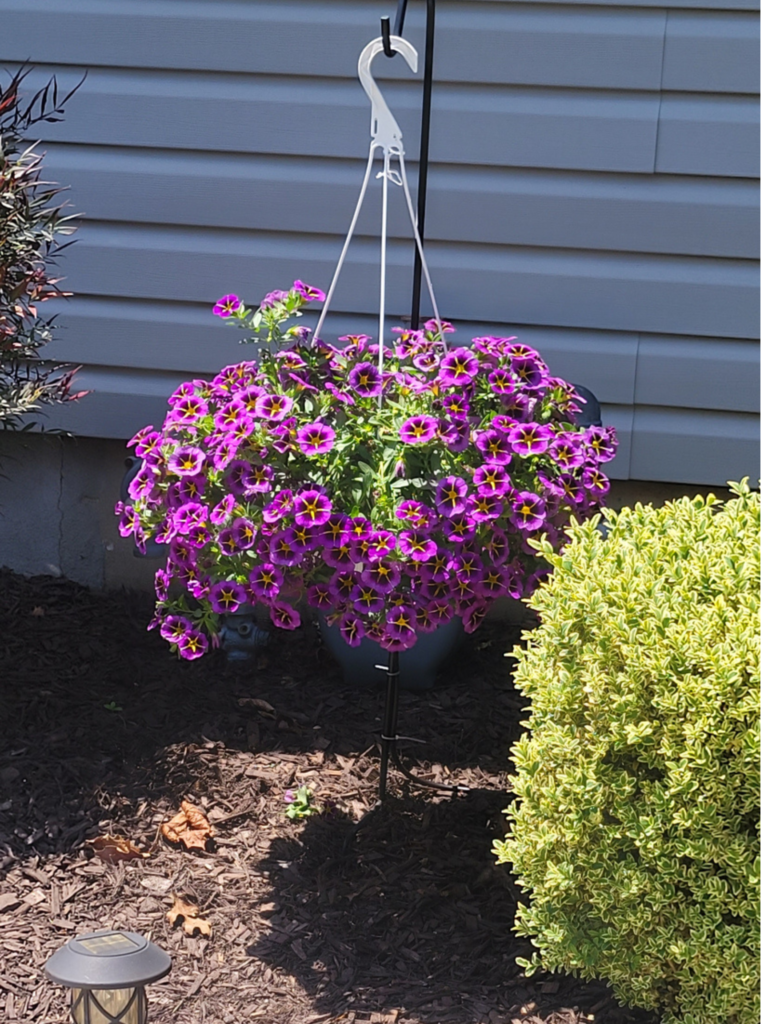
Seasonal sales can work well, too. Dance families mentioned mums (something I’ve done quite a bit), flowers, poinsettias, hanging baskets, wreaths and Christmas items. One studio has a very successful partnership with a local greenhouse for its mum sale.
But there was an important lesson in the responses: Just because a fundraiser works for someone else doesn’t mean it will work for you. One mom specifically mentioned that a poinsettia fundraiser didn’t generate much money for her studio.
That’s why I think it’s important to look beyond the name of the fundraiser and consider your particular community. Do people in your area want what you’re selling? Is there a convenient way to distribute it? Is the profit margin worthwhile? And, perhaps most importantly, how much work is involved?
Raffles Can Work—If You Pick Something People Actually Want
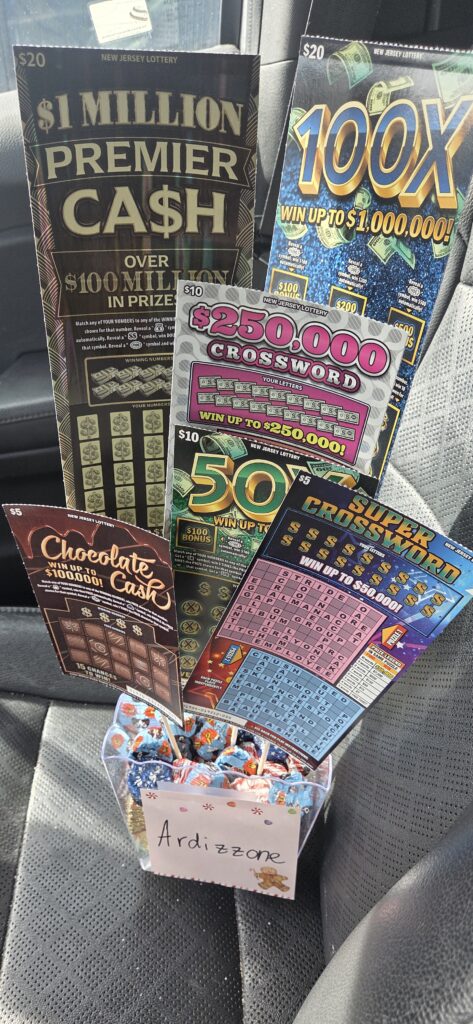
Raffles were another popular option among the dance families who responded. There were traditional raffles, calendar raffles, cash bashes, lottery trees and even designer purse bingo. Some teams solicit donated gift cards and services to put together raffle baskets, which can help keep the cost of the fundraiser down.
One dance mom offered a piece of advice that made me laugh because it’s so obvious—and yet so easy to forget: “Raffle something people YOU KNOW will want to win!!!” If you’re going to spend weeks selling raffle tickets, you want the prize to be something that makes people think, Ooh, I want that. A desirable prize can make a huge difference in how easy it is to sell tickets.
And if you’re able to get local businesses to donate gift cards, services or products, even better. You’re potentially building relationships with businesses in your community while creating a prize that people actually want.
Of course, if you’re holding a raffle, make sure you’re following all applicable state and local rules as well as the requirements of your school, studio or nonprofit organization.
Don’t Forget About the Events You Already Have
One of the things I liked about some of the responses was the idea of building fundraising into events that are already happening.
Recital and showcase are perfect examples. You already have a large group of dancers and families coming together, so why not offer flowers, concessions, gifts, merchandise, raffle tickets or other items while everyone is there?
One team sells flowers, concessions and gifts at its annual showcase, with the proceeds going toward Nationals. Another group has a “Glam Squad” on recital day, offering hair, makeup and eyelashes for a fee.
I actually love this concept because it’s solving a problem at the same time that it’s raising money. Recital day is hectic enough without trying to make sure your dancer’s hair, makeup and everything else are perfect. If someone else can handle part of that for a reasonable price while putting the money toward the team, that sounds like a win-win to me.
Restaurant nights and other community events can work in much the same way. Several families mentioned restaurant fundraisers, while others have participated in Christmas markets, community walks and other local events.
The key with these fundraisers is that you’re taking advantage of an audience that is already gathered rather than creating an entirely new event from scratch.

Sometimes You Can Fundraise by Selling Something More Personal
One of my favorite ideas from the responses involved Nationals shirts. Some teams allow supporters to purchase a spot on the back of a dancer’s Nationals shirt. For example, a supporter might pay $10 to have their name printed on the shirt. Another team called its version a “Who’s Got My Back?” fundraiser, with each dancer having a customized shirt and soliciting supporters. I think this works because you’re not really selling a product. You’re selling a little piece of the dancer’s journey.
A grandparent or family friend may not be particularly excited about buying another box of popcorn, but they may absolutely love seeing their name on the back of the shirt your dancer wears at Nationals. It’s personal, and it gives the supporter a connection to the dancer’s accomplishment.
That got me thinking about other ways teams could use what makes their dancers special as part of fundraising. Maybe it’s a dance workshop taught by the older dancers. Maybe it’s a performance. Or it could be mini photo sessions, like one family does using a parent’s photography business.
The possibilities are pretty endless if you stop thinking about fundraising as simply “What can we sell?”
Fundraising Fatigue Is Real
This is probably the part of the article where I climb onto my soapbox for a minute. You don’t have to fundraise constantly. In fact, I don’t think you should (I know that I certainly don’t want to).
I’ve talked about fundraising fatigue before, and my opinion hasn’t changed. In my own money-saving advice for dance moms, I recommended limiting fundraising to three or four campaigns a year and looking closely at the profit margin before committing to one. The responses to my recent question reinforced that feeling.
One studio has a fundraising calendar and intentionally limits itself to no more than one fundraiser per month. The mom who shared this explained that kids are already fundraising for school, sports and other activities, and there are only so many times you can ask the same people for money.
I couldn’t agree more. If you’re constantly sending messages asking Grandma, your neighbors and your coworkers to buy something, eventually they’re going to stop opening your texts. And honestly? I don’t blame them. I would rather see a dance team choose three or four really good fundraisers than attempt 12 mediocre ones.
Before signing up for a fundraiser, I’d ask a few questions.
How much money will the team actually make? What percentage of each sale comes back to the dancers? How much time will parents have to spend? Do you have to purchase inventory? Are you responsible for delivery? How much of the product are you realistically going to sell? We’ve quit doing the Thanksgiving pie fundraisers because I didn’t have a place to keep them refrigerated. Plus, I didn’t sell enough to really make it worthwhile.
And Then There’s the Question of Who Gets the Money
There’s one more issue that I think dance teams need to address before they start fundraising: How are the proceeds distributed?
This came up in the responses, and it’s a legitimate question. If one family sells $1,000 worth of products for a group fundraiser, and another family sells $100, should they receive the same amount? What if one parent spends 20 hours working a concession stand while another parent doesn’t volunteer at all? Should fundraising money go into individual dancer accounts, or should it be divided equally among the team?
There’s no universal answer to these questions. Different studios and booster clubs handle them differently. Some organizations have individual fundraisers, where the money earned goes toward that dancer’s account. Others have general fundraisers where the proceeds benefit the entire team. Some do a combination of the two.
Whatever you decide, make the rules clear before the fundraising starts. Parents should know whether participation is required, how money is credited, whether volunteer hours count, what percentage stays with the organization and what happens to the money if a dancer leaves the team. It’s much easier to establish those rules in advance than to try to sort out hurt feelings after everyone has already done the work.
Maybe the Best Fundraiser Is the One That Fits Your Community
After reading all of these responses, I don’t think there’s one “best” dance team fundraiser. And honestly, I think that’s a good thing. The best fundraiser for a dance team in a large city with a nearby professional sports arena might be completely different from the best fundraiser for a small rural studio.
If you have access to college football games, concessions might be an amazing opportunity. If your community loves popcorn, sell popcorn. When you have a lot of local businesses willing to donate prizes, try a raffle. If your dancers have talented parents, put those skills to work.
And if your families are already overwhelmed with fundraising, maybe the answer is to do less of it. Look for opportunities that don’t require you to constantly sell something. Consider programs like RaiseRight that allow everyday spending to generate fundraising dollars. Look for volunteer opportunities where your time can translate into a meaningful amount of money. And when you do hold a traditional fundraiser, choose something your supporters actually want.
Most of all, remember that fundraising is supposed to help make dance more affordable. It shouldn’t become another source of stress that makes you wonder why you signed up for this in the first place.
As one of the dance moms who responded said so perfectly, “It takes a village.” Sometimes that village buys popcorn. Sometimes they buy a raffle ticket. Other times, they put their name on the back of a Nationals shirt. Sometimes they use a fundraising program for purchases they’re already making. And sometimes they spend a Saturday night working concessions at a football game.
Whatever your village looks like, if it helps your dancer keep doing something she loves without putting an impossible financial burden on your family, it’s worth considering.
What Has Worked for Your Dance Team?
Now I want to hear from you!
What is the most successful dance team fundraiser you’ve ever participated in? And just as importantly, what fundraiser sounded like a great idea but turned out to be completely not worth the time and effort?
Leave a comment below or join the conversation on The Dancing Dance Mom Facebook page. I have a feeling there are plenty of great fundraising ideas out there that didn’t make it into this article—and I’d love to hear them!