
Dance Moms Dish On: Judging Pet Peeves

Between choreographing/coaching and being a dance mom, I have been a part of the competitive dance world since 1994. So when my girls began competing, I would tell them that sometimes the judges will get it wrong. I explained all the reasons I could think of that a judge might not award the most points to the best dancers.
And while they had control over some of those categories (execution, performance quality, etc.), there would be some elements over which they had no control. A judge might be looking at something else when a competitor makes a mistake, or they might not know enough about a genre to fully appreciate its technical aspects. But going in knowing all of this, we are still frustrated with some of our experiences with judges.
While some dance competitions thoroughly vet their judges, others do not. And there are at least HUNDREDS of competition companies, so the sheer number of judges needed during the season is incalculable. So while the pool of judges is wide, you can find some lesser-qualified judges in the shallow end.
All of this leads to dancers, studio owners, teachers, and parents having very varied experiences when being judged at a competition. I asked dance parents what their biggest judging pet peeves were in this Facebook post, and they had plenty to say! After reading the feedback, I compiled the top four reasons mentioned into a Wednesday night emoji poll (here is the post for that one). Here is how the dance moms dished on their judging pet peeves:
1. When judges don’t enforce the competition’s rules about leveling.
In general, competitions that utilize leveling have three categories. The competitions may call them different names, but essentially, dancers enter either a novice, intermediate, or advanced division. Often, the guidelines for determining placement are vague (basing it on number of hours in the studio per week, for example). But here is the problem: Unscrupulous studio staffers will place more advanced dancers into a novice or intermediate category so they have a higher chance of winning.
Dance moms voted for this pet peeve above all others (with 43% of the vote). In the Facebook post, people shared their stories of how studios exploited the judges’ reluctance to enforce the leveling guidelines set forth by the competition they attended.
Personally, I have a handful of tales on this topic. In my girls’ very first year competing, there was another mini team in their division with five girls who all executed beautiful side aerials. In no way, shape, or form should they have been placed in the novice division with us! As a dance mom, my heart broke for my girls and their teammates when they watched the aerial group take the top prize. Having to deal with this inequity (and explaining it to uncomprehending six year-olds with a black-and-white view of right vs. wrong) was a bitter pill to swallow.
Once in awhile, I hear of an event that “leveled up” a dancer based on their performance. One even advertises it with a celebratory social media post! Practices like that should be the norm, not the exception.
2. When the judges say very little in their critiques that help the dancers improve.
One of the driving principles in the dance community is that of progress over perfection. So naturally, serious-minded dancers view feedback as an opportunity to improve their craft. But how can they do that if the critiques they receive tell them little (or nothing) of value? Comments like “nice costume” or “work on that leap” are all but meaningless. Even worse are critique recordings that are mostly dead air (we’ve received these before). If a judge comments on the choreography of a piece, they need to understand that choreo is not necessarily something a dancer can control.
Roughly 30% of the dance moms who participated in the poll chose this one as their biggest judging pet peeve. Dancers deserve comments that specifically offer advice on how the dancer can improve their technique, execution, performance quality, etc.
3. When the judges are not qualified to evaluate all genres.
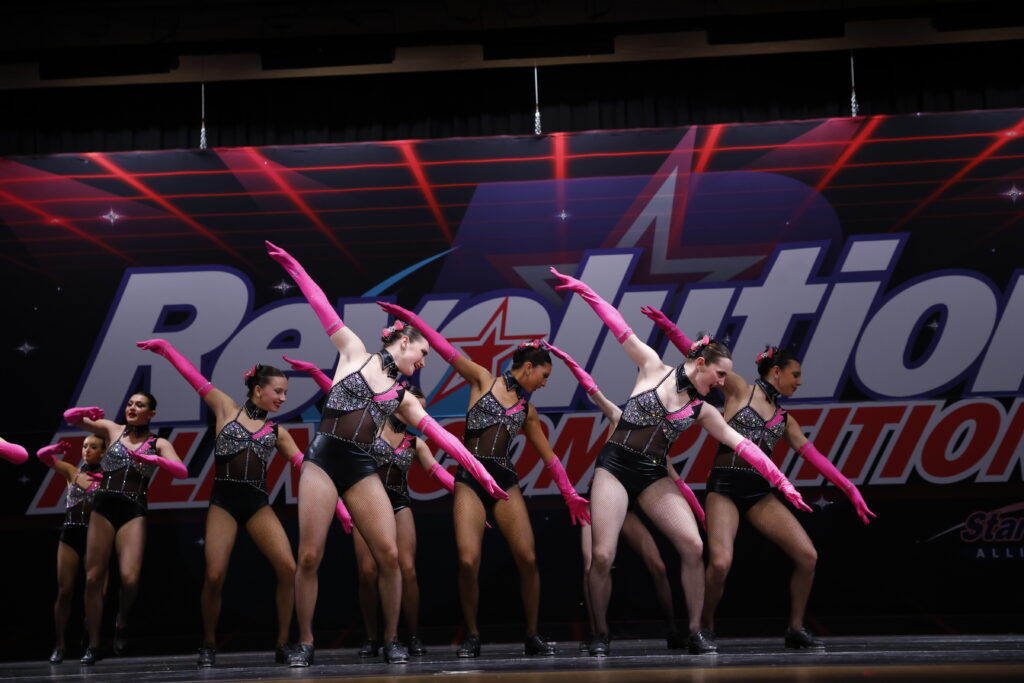
When a judge has limited knowledge in a specific genre, don’t expect them to score that routine accurately. Judges might award a lower score to movement that they assume is being done incorrectly, but actually is not. Those in the tap dance camp can attest to this! Frequently, the best of our tap critiques have been “make crisper sounds.” Folkloric, pointe, pom, and other categories are also subject to being minimally understood. On the flip side, a judge might be far more forgiving in a genre they are not well-versed in, resulting in an unfairly inflated score.
About 18% of the dance moms polled chose this one as their biggest pet peeve.
4. When judges prioritize sets/props over choreography and technique.
Who doesn’t love a little razzle-dazzle? But to value that over the actual “stuff” of dance (technique, execution, choreography, performance quality, etc.) is an insult to the dancers and studio staff that work hard to develop their students. Teachers and choreographers use elaborate props and sets for several reasons. Utilized well, these elements can enhance a routine, adding to the storytelling aspects of the number.
But when a team is lacking in a core element, a choreographer might use a flashy set or fun prop to hide the dancers’ deficits. While this is certainly a strategic move, an inexperienced (or, let’s face it, inept) judge can get sucked in and award higher points than the routine deserves. As one commenter wrote, if it takes longer to build the set than the dance lasts, you don’t need it!
Just 5% of respondents to the poll selected this as their primary pet peeve, but I should mention that over 200 dance parents “liked” or “loved” my comment about it on the previous day’s post. So while it might not be their biggest issue with judging, it did resonate with many dance families.
Honorable Mention
Dance parents chimed in with these additional judging pet peeves:
The Scores and Critiques Don’t Match
When judges offer high praise in the critiques but assign low scores to a number, it leaves the dancers, teachers, and parents confused and frustrated. If a judge cannot make the critiques align with the scores, they need more training and practice.
Awarding More Points to Boys
This is a delicate subject, so I will try to handle it with care. Some commenters chimed in that they have witnessed boys’ solos receiving higher placements and scores than girls with better technique, performance quality, and more.
One commenter even offered her experience with her children; her son consistently outscored her daughter, but she felt her daughter’s pieces were superior to her son’s. My twins’ duos were sometimes outscored by romantic boy/girl duos or trios; in several cases, the featured boys were not nearly at my girls’ level. Other respondents commented that they thought their boys were scored fairly, so (like all things dance), it is open to interpretation.
Valuing Tricks Above All Else
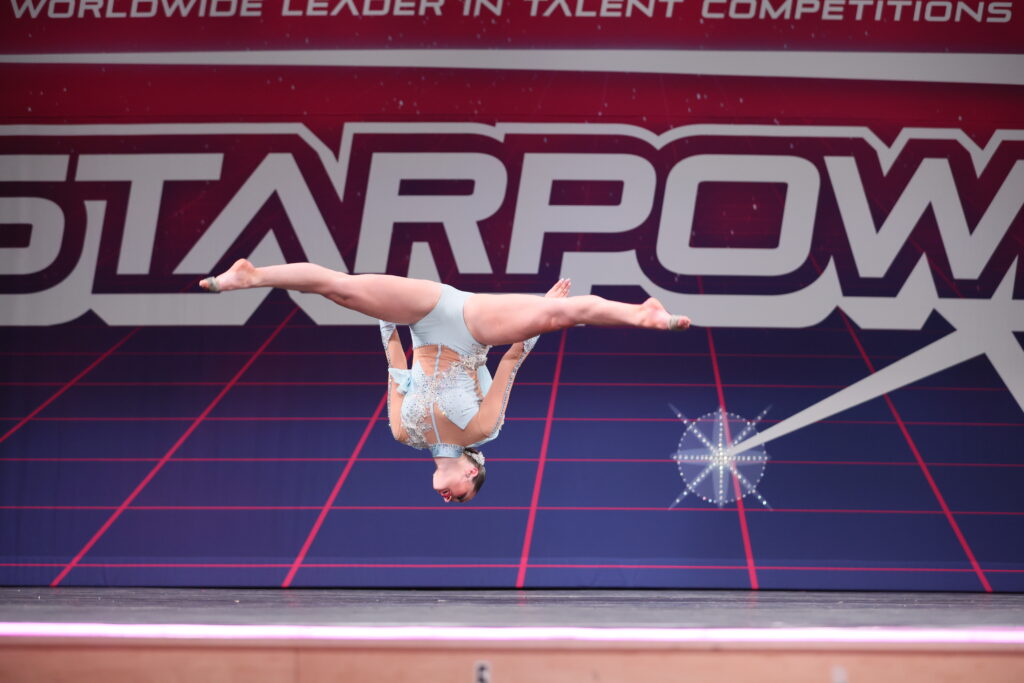
Those of us in the dance community have watched this issue become increasingly prevalent over the years. Dance influencers showcasing their tricks dominate our corner of social media, so it is no wonder that this aspect of dance has risen in popularity. But if a judge cannot see beyond the tricks, they may miss a dancers’ deficits in movement quality, interpretation, transitions, and more.
The Final Word
Because competitive dance is such a subjective art (or sport, depending on your view), it would be nearly impossible to take human error out of the equation entirely. But as paying customers, we dance families deserve judges that are competent, well-trained, and experienced. If a competition employs judges that do not meet reasonable standards, their customers may opt to attend a different event the following year. That’s bad for business, so decision-makers need to do their due diligence to hire judges that avoid the habits we’ve discussed here.